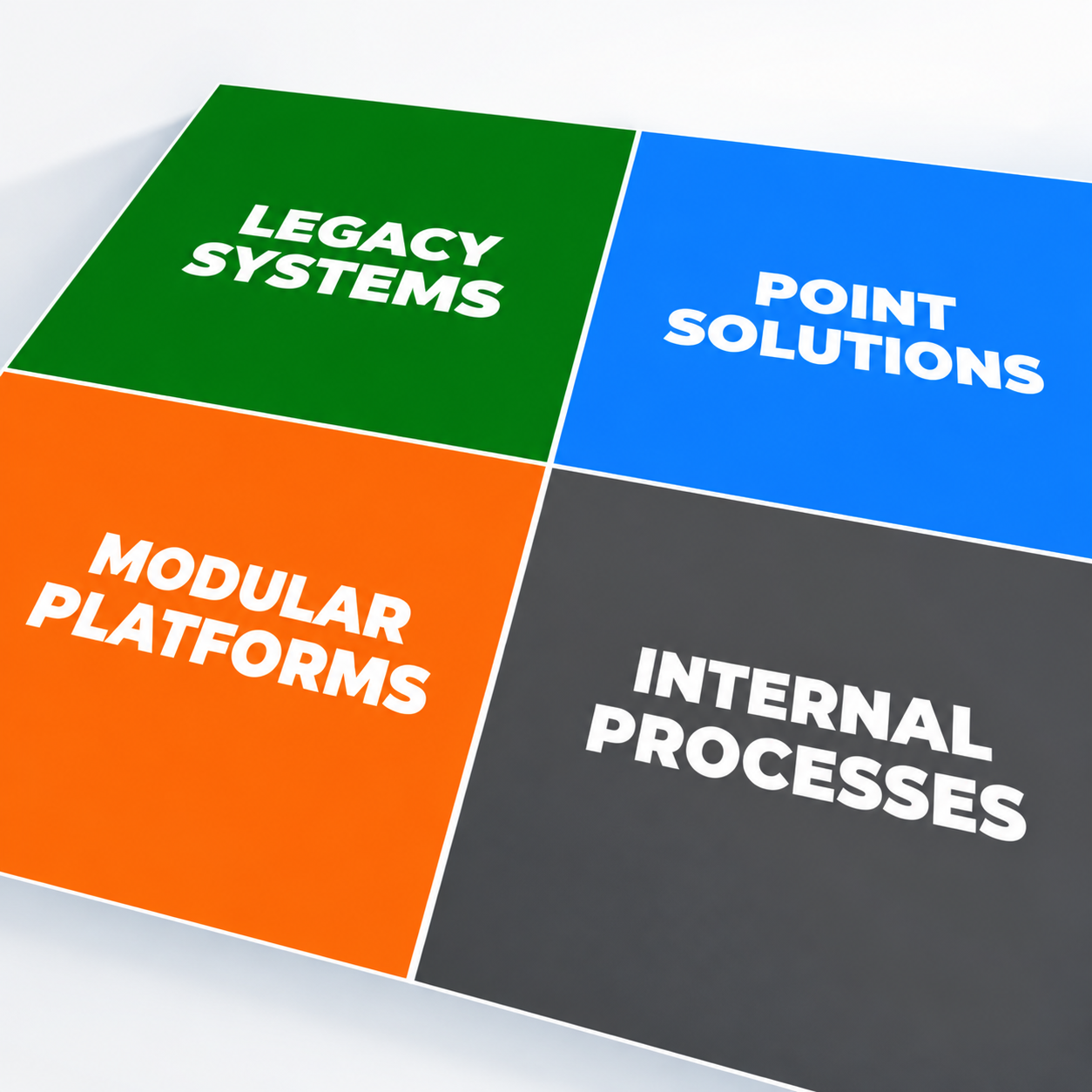
For a long time, Triton Construction handled equipment tracking the same way a lot of growing contractors do - spreadsheets, phone calls, and a mix of different systems that didn’t always connect.
Based in Saint Albans, West Virginia, Triton is a heavy and highway civil contractor with crews working across WV, MD, OH, KY, and VA. Their work spans roads, bridges, slip repairs, airport rehabilitation, and water and sewer infrastructure.
Founded in 2010, Triton has grown over the past 15 years to more than 800 field employees, becoming the largest heavy civil contractor in West Virginia.
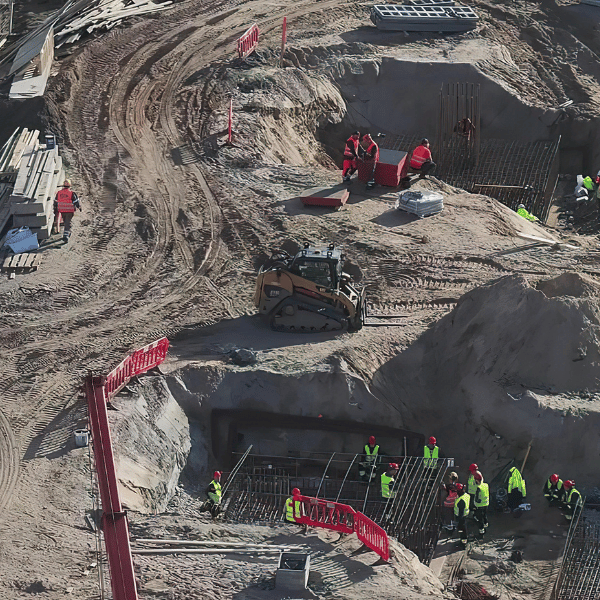
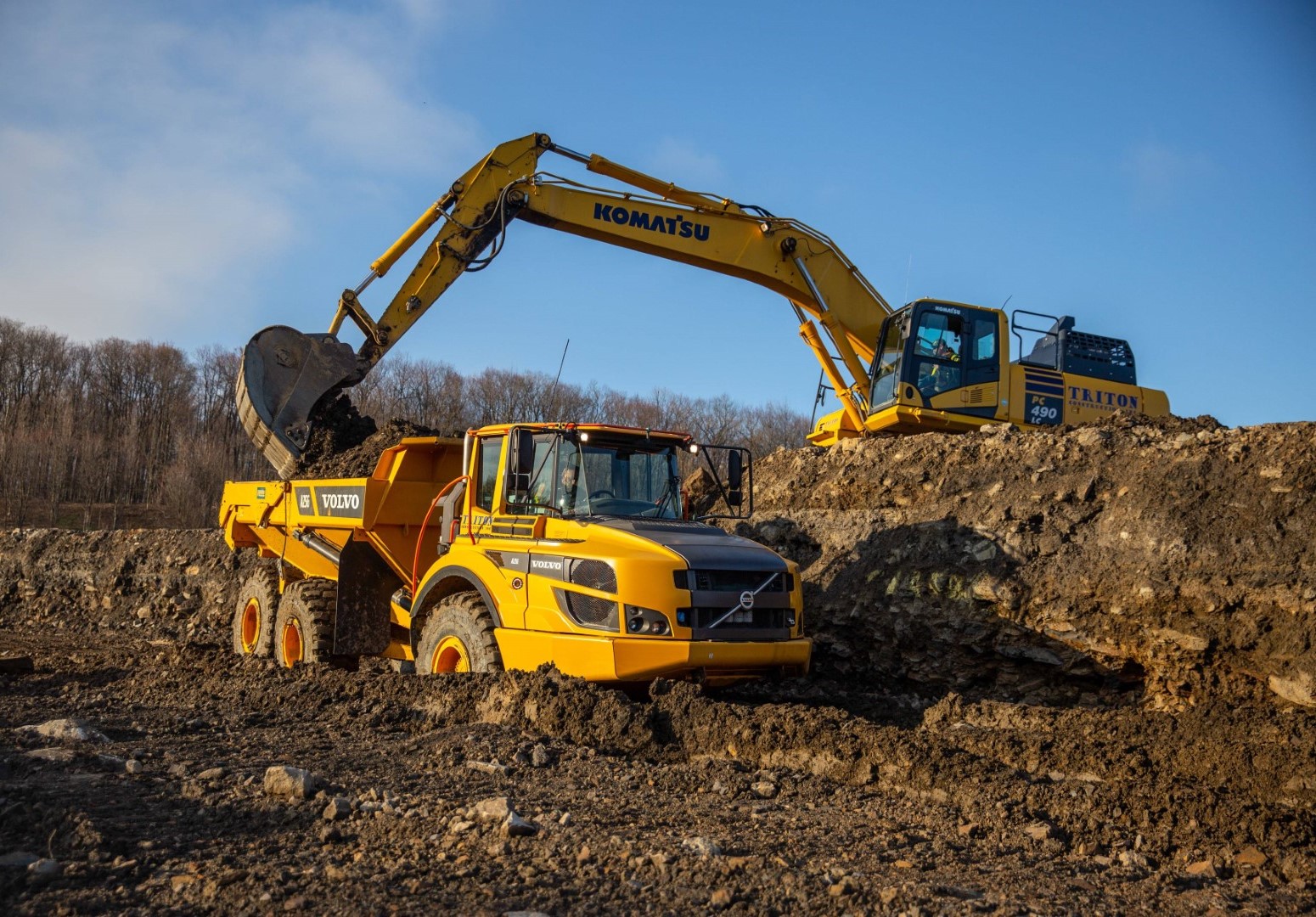
That growth comes with a lot of moving parts. Their fleet supports hundreds of crews across dozens of job sites, equipment moves frequently between projects, rentals are mixed in with owned assets, and preventative maintenance has to stay aligned with job schedules. Keeping up with all of that requires consistent visibility into where equipment is, how it is being used, and what needs attention next.
As Triton has grown, IVO Systems has helped provide the structure needed to manage more equipment, more jobs, and more complexity without overhauling how their teams operate day to day.
Keeping Track of Equipment as Operations Expanded
Before adopting IVO Systems, Triton dealt with the same challenges common to many growing contractors. Equipment was constantly moving between jobs, tracking systems were fragmented, and information often lived in spreadsheets or separate telematics portals.
That made it easy for small things to slip through the cracks, especially when equipment or attachments moved without formal handoffs.
“We’d lose track of things. Even if it’s an excavator bucket, having to make twenty-five phone calls to track that thing down." —Matt Powell, Equipment Manager
Time spent trying to track down equipment took away from time spent planning work and making better use of the fleet. Over time, it became harder to stay ahead of where equipment needed to be next and easier for small issues to turn into larger delays.
Why Visibility Was a Top Priority
Contractors track equipment more effectively - and operations run more smoothly - when location, usage, and movement are all visible in one place.
Triton's initial interest in operations software was centered on visibility: equipment locations and utilization. Their team needed a better way to understand where equipment was, how often it was being used, and whether it was needed elsewhere.
“Our main focus was utilization and location tracking. Equipment is always moving, and we needed a consistent way to see where it was and how it was being used." —Matt Powell
IVO Systems provided a way to visualize and understand fleet utilization without adding unnecessary complexity or extra software to manage.
Utilization data also helped inform decisions about fleet size and availability as the company continued to grow and projects shifted across states.

How Triton Uses IVO Across Equipment, Dispatch, and Maintenance in 2026
Different teams rely on a shared system so they can work from the same information without switching between tools.
As different roles at Triton began using IVO, each team applied it to their own workflows.
Equipment Management
Matt Powell oversees equipment across the entire region Triton operates in, with a focus on knowing where equipment is now and where it needs to be next.
Having that information in one place makes it easier to coordinate moves and keep crews from waiting on the right machine. Over time, utilization history helps identify patterns - what is consistently in demand, what is sitting too often, and where decisions need a second look.
“It’s making the company better at understanding our costs and understanding equipment availability.”
Dispatch and Transportation
Zack Moody’s day-to-day depends on knowing where everything is quickly.
Having all equipment locations in one place simplifies planning and coordination.
“For me, it’s being able to go to one place to find equipment. Using the map feature - and whether it’s through Komtrax, One Step GPS, whatever - it shows where everything’s at.” —Zack Moody, Dispatch & Transportation Coordinator
Triton operates a mixed fleet that includes OEM telematics, third-party GPS, and assets without trackers. Rather than managing those systems separately, they use IVO to bring that data together into one place.
“I have all my telematics in one spot and don’t have to go digging for things.”
Preventative Maintenance
Preventative maintenance is handled both in the shop and out on job sites, so the system needs to be straightforward and easy to use.
“The PMs are a lot more organized. I can see what’s been done, what hasn’t been done, what needs to be done, and go right through and check it. It’s real simple.” —Nathan Bragg, PM Technician
With hour-based tracking and advance notice before service is due, it is easier to plan PM work and keep equipment from slipping past its intervals.
“It tells me before the PM’s due… ‘Hey, this is coming up. You need to go and be prepared.’ It makes it a lot easier to do that.”
Bringing Equipment, Dispatch, and Maintenance Into One View
With equipment, dispatch, and maintenance information in one system, Triton's teams have a clearer picture of what is happening across jobs. Rather than piecing together updates from separate telematics portals, spreadsheets, and conversations, they are working from a shared view of equipment locations and utilization data.
“It gives us a real-time look at what we’re being told is going on and what’s actually going on.” —Zack Moody
That visibility supports better decisions about where equipment should stay, where it should move, and what needs attention next.
It also improves communication across teams. When dispatch, equipment, and maintenance are looking at the same information, there is less back-and-forth to confirm where something is, what is happening with it, and who needs it next - that translates to fewer unnecessary phone calls and texts.
“You don’t have to go into two separate different things to find what you’re looking for. It’s all right there for you on your iPad. It’s easy to maneuver around, and it’s pretty self-explanatory.” —Nathan Bragg
As Triton has continued to expand, that shared reference point has become more important.
Field Adoption: How IVO Became Part of Daily Operations at Triton Construction
Adoption happens over time as teams start using the system in their daily work and see its value.
The initial implementation of IVO Systems was quick, but adoption happened more gradually. Early usage was strongest with the teams closest to equipment tracking and maintenance. From there, usage expanded as more teams saw how it fit into day-to-day work.
“I think everybody sees the value of it… from the project level to the mechanics and maintenance.” —Matt Powell
As teams built the habit of updating equipment locations and logging maintenance activity, more information lived in one place. That reduced the need for follow-up calls and helped teams stay aligned across projects.
Connecting Mechanic Time to Maintenance Work
With IVO Systems, mechanic timecards can be tied to work orders by entering time directly within the same system used to track maintenance.
Maintenance workflows are already centralized within the MaintainVO dashboard.
The next step for Triton has been tying mechanic time and work order details together in the same place, so time entry connects directly to the work being performed and the equipment it applies to.
“It used to be extra data entry from one system to the other. Now, everything gets entered in one place and it’s immediate.” —Matt Powell
This approach helps reduce duplicate or missed time entry and keeps labor details connected to equipment and maintenance history.
Triton is Positioned for Continued Growth with Reliable Systems in Place
Better visibility helps teams understand where equipment is being used, where it is needed next, and how to plan more effectively.
Across equipment tracking, dispatch, and maintenance, one theme consistently came up at Triton - utilization.
Having a clearer picture of where equipment is, how often it is being used, and whether it is needed elsewhere has played a direct role in how the company manages its fleet as it grows.
“The biggest change is the guys in the field understanding that there’s a place for that equipment tomorrow. We can track it continuously and track utilization continuously, because there’s always a need for it somewhere else.” — Matt Powell
It also gives equipment, dispatch, and maintenance a shared view to work from, so decisions are made from the same source of truth.
“If you didn’t have anything, it’s night and day. From spreadsheets to this, it’s night and day. It’s a huge improvement.” — Matt Powell
For a company managing hundreds of crews across multiple states, that level of visibility supports continued growth without adding unnecessary friction.
The ability to expand into additional capabilities over time - like crew scheduling - was an important factor in choosing IVO Systems. As Triton continues to grow, that flexibility makes it easier to build on the system they already use instead of replacing it - keeping their operations connected as everything else scales.